Blending Architecture and Nature: Creating Seamless Indoor-Outdoor Transitions Oct 10, 2026
Creating visual continuity is an essential aspect of blending indoor and outdoor spaces. This begins with using similar materials, colors, and textures in both areas. For instance, extending the same flooring from your family room to your patio can effortlessly connect the two spaces. Whether you choose natural stone for a rustic appeal or sleek tiles for a modern look, ensuring this continuity helps create an inviting flow from indoors to outside.
Strategic placement of windows and doors also plays a vital role in connecting these spaces. Large glass doors or floor-to-ceiling windows allow for copious amounts of natural light to fill your home while providing unobstructed views of your garden. Opt for sliding or bi-fold doors to maximize the opening space and create an almost invisible barrier between your interior and the natural world.
Outdoor lighting is another significant component often overlooked. Ambient lighting can accentuate architectural features and natural elements in the evening, making your outdoor space an extension of your home’s interior. Consider solar-powered garden lights, path lighting, or wall-mounted fixtures to enhance safety and aesthetics during twilight hours.
Incorporating landscaping elements like potted plants, green walls, or vertical gardens indoors can soften architectural lines and infuse your space with nature. These features add texture and color while improving air quality, making your living areas healthier and more enjoyable.
One effective method to create a seamless transition is through the use of a partially covered outdoor area. Pergolas or retractable awnings can offer this blend of open-air yet sheltered spaces, providing shade while maintaining an outdoor atmosphere. These structures encourage household activities such as meals, relaxation, and even work to move outdoors in pleasant weather, effectively broadening your living space.
Crafting a cohesive color palette can further aid in blurring the lines between your home and garden. Choose hues that complement both the interiors and the natural surroundings. This may include earthy tones like taupe, sage, or terracotta. Within MountainScapes’ projects, we often find that using color therapy by blending warm and cool tones can evoke the desired mood and warmth in every part of the home.
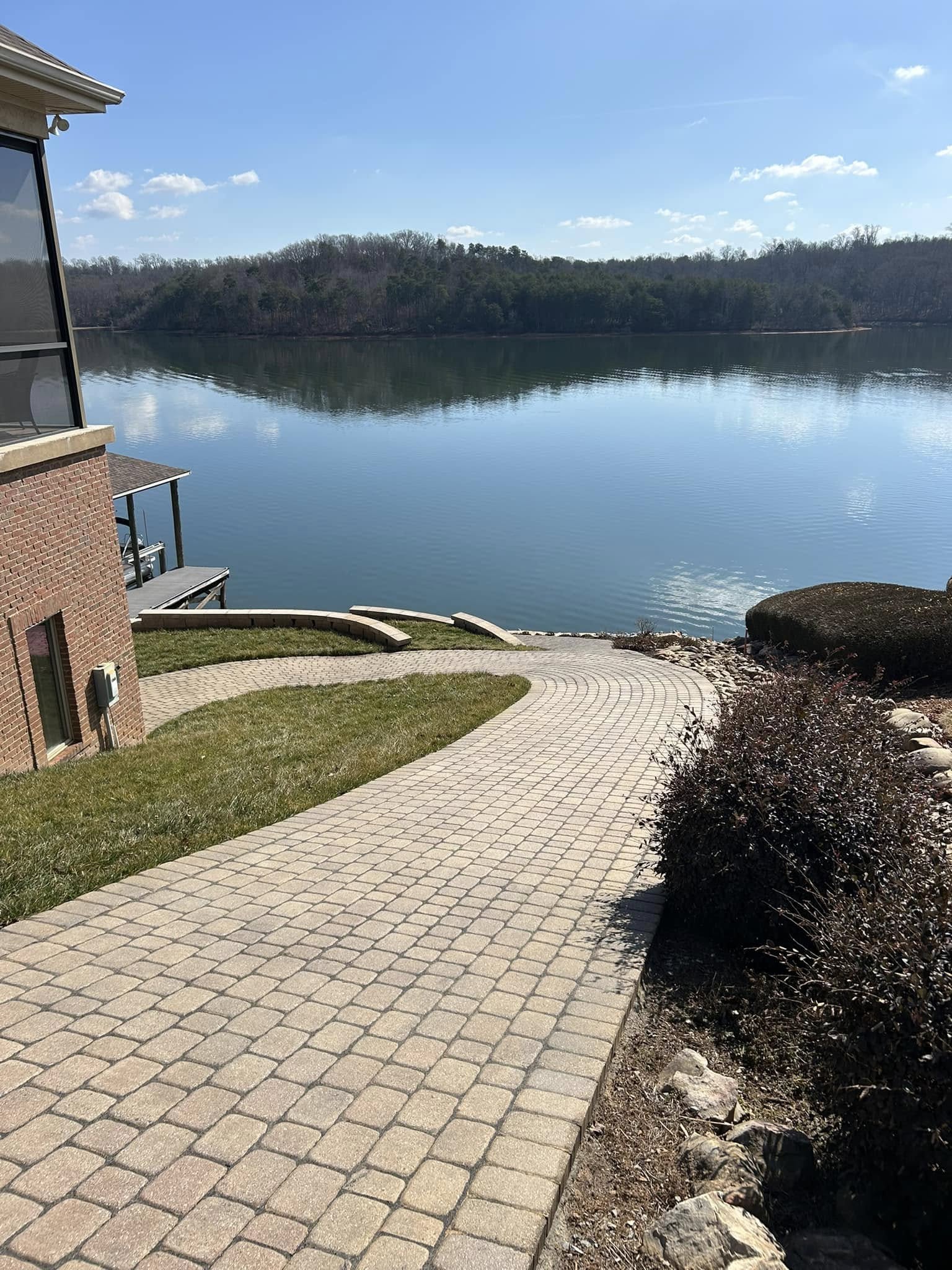
For those considering enhancing their property’s appeal, MountainScapes highlights the importance of proper planning and attention to detail in landscaping and hardscaping. It’s through these thoughtful integrations where architecture meets nature, creating personal sanctuaries that offer both serenity and inspiration.
As we conclude, it’s clear that the harmonious design of indoor-outdoor transitions is a multifaceted process that balances aesthetics and practicality. Whether it's through strategic design choices, material continuity, or outdoor elements, there are numerous ways to create these seamless environments. At MountainScapes, we are committed to bringing your vision to life, ensuring that each project reflects individuality while celebrating the natural beauty that surrounds us. Embrace the potential of your home by transforming your living spaces to welcome nature into everyday life.
/filters:no_upscale()/filters:format(webp)/media/a090ddc8-bba7-40a7-8e4b-9e71c79cfa37.jpeg)