Capturing Seasonal Beauty: How to Use Climate-Responsive Planting in Your Design Aug 21, 2026
The first step in creating a climate-responsive landscape is understanding the specific climate of your area. Factors such as average temperature, precipitation patterns, and frost dates will significantly influence which plants will thrive in your garden. By choosing plants suited to your local conditions, you reduce the need for additional water, fertilizers, and pest control, making for a more sustainable and low-maintenance landscape.
Once you have a grasp of your climate, select plants known for thriving in similar conditions. Native plants are an excellent choice as they are well-adapted to the local soil and climate, offering resilience to weather fluctuations and less stress on water resources. For example, if you live in a region with hot, dry summers, drought-tolerant plants such as lavender or sage might be ideal. Conversely, areas with cold winters might benefit from hardy perennials like coneflowers or hostas.
Incorporating a diverse range of plants that bloom at different times of the year ensures that your garden remains vibrant across all seasons. Early spring bulbs like daffodils and tulips can kick off your garden’s bloom cycle, followed by summer perennials such as echinacea or daylilies. As fall approaches, ornamental grasses and late-blooming asters can add texture and color, while winter-blooming plants like witch hazel can offer interest even in the colder months.
Another important aspect of climate-responsive planting is utilizing microclimates within your garden. Microclimates are small areas that differ from the overall climate of the surrounding area, often due to variations in sunlight, wind exposure, or moisture. By identifying these microclimates, you can strategically place plants where they are most likely to thrive. For instance, placing shade-loving plants under tree canopies or drought-resistant species in sunny, dry spots can promote healthier growth.
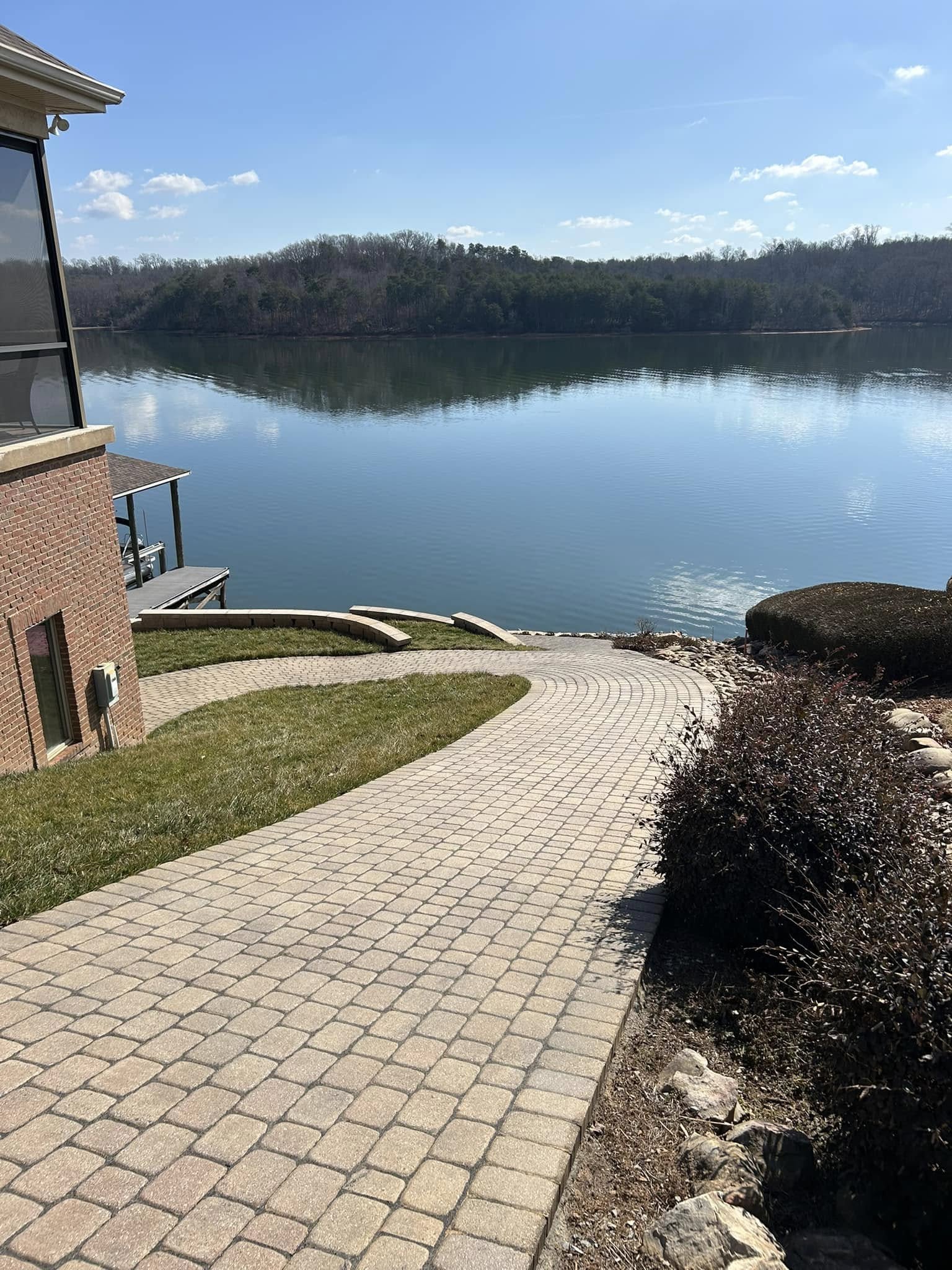
Beyond plant selection, consider incorporating hardscaping elements that complement your climate-responsive garden. Paths, patios, and retaining walls not only add structure and visual interest but can also help to manage water flow and prevent erosion. Materials like stone or brick are durable and can endure various weather conditions, providing a solid foundation for your landscape design.
In conclusion, embracing climate-responsive planting is a rewarding way to enhance the beauty and sustainability of your outdoor spaces. At MountainScapes, we encourage you to embrace the natural rhythms of your local environment, using them as a guide to inform your design choices. By doing so, you create a landscape that not only looks stunning but also thrives with minimal intervention, perfectly capturing the essence of each season. Whether you are beginning a new project or looking to refresh your existing garden, consider the benefits of climate-responsive planting and watch as your landscape comes to life.
/filters:no_upscale()/filters:format(webp)/media/a090ddc8-bba7-40a7-8e4b-9e71c79cfa37.jpeg)