Creating Dynamic Landscapes: Innovative Techniques for Erosion Control and Aesthetic Appeal Sep 05, 2026
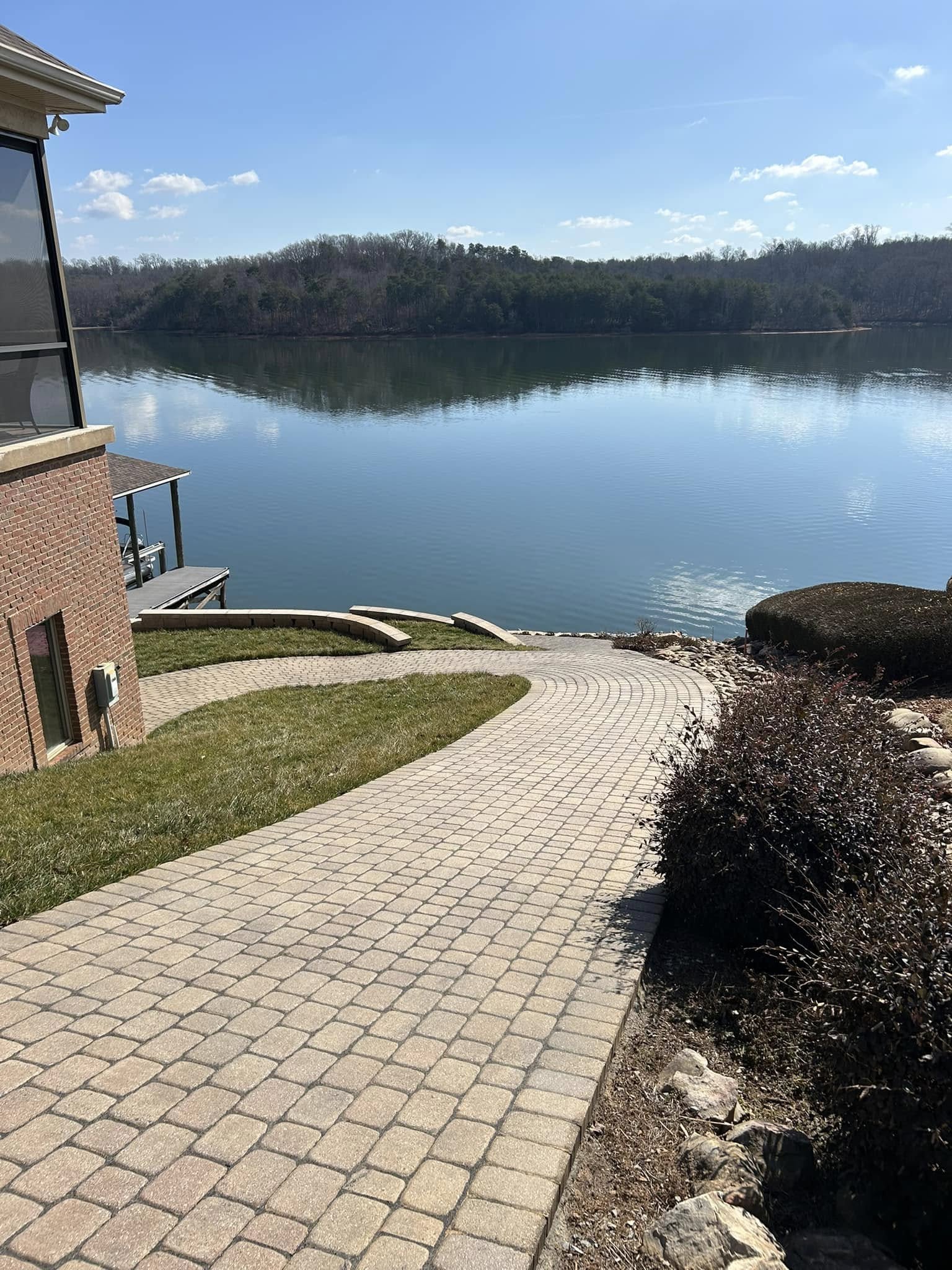
Erosion control is essential in maintaining the integrity of your landscape, especially in areas susceptible to heavy rainfall or high winds. One effective strategy is the use of retaining walls. These structures are not only helpful in preventing soil erosion but also serve as eye-catching focal points. Retaining walls can be crafted from various materials such as stone, wood, or concrete, fitting seamlessly into any landscape design. They can also be designed to include seating areas or planters, further enhancing their utility and aesthetic charm.
Another innovative erosion control method involves the strategic use of vegetation. Ground cover plants such as creeping juniper and purple wintercreeper are excellent for holding soil in place. Their dense root systems help minimize soil displacement, while their foliage provides a lush, green appearance that complements existing designs. Incorporating native plants into your landscape is particularly beneficial. These plants are well-suited to local conditions, requiring less maintenance while aiding in other aspects of ecological balance.
Water features also present an excellent opportunity to combine beauty with functionality. Rain gardens, for instance, are designed to collect and manage runoff, soaking excess water into the ground gradually. This not only prevents erosion but also recharges groundwater supplies. Selecting plants that thrive in wet conditions will ensure these gardens remain vibrant throughout the season. Similarly, permeable pavers in patios and driveways allow water to soak through rather than runoff, significantly reducing erosion in surrounding areas.
The choice of mulch can also play a critical role in erosion control. Organic mulches, like bark or wood chips, not only improve soil nutrition as they decompose but help keep the soil temperature consistent and protect it from heavy rains. Inorganic mulches, such as gravel or rocks, are excellent in areas prone to wind as they are less likely to be displaced and still provide an attractive appearance.
For those seeking a more dynamic landscape, contouring the land can be an exciting technique. Terracing, for example, involves shaping the land into a series of step-like levels. This reduces the flow of water, minimizing erosion, and creates visually appealing tiers that can be filled with diverse plant palettes or functional outdoor spaces.
Ultimately, combining aesthetic appeal with practical solutions is at the heart of creating a sustainable and beautiful landscape. At MountainScapes, our team of experts is passionate about turning your outdoor dreams into reality using eco-friendly, innovative solutions that stand the test of time. Whether you need assistance in designing, installing, or maintaining your landscape, we are committed to providing services that enhance both the beauty and functionality of your property.
A sustainable landscape not only elevates the curb appeal but also contributes positively to the environment. By integrating these innovative techniques, MountainScapes ensures that your landscape remains a masterpiece, resilient against the forces of nature while reflecting your unique style.
/filters:no_upscale()/filters:format(webp)/media/a090ddc8-bba7-40a7-8e4b-9e71c79cfa37.jpeg)