Revamping Your Outdoor Space: The Power of Color in Landscape Design Jul 21, 2026
Understanding the Color Wheel is a crucial first step in planning your landscape design. The color wheel is a tool that can help you create the perfect palette by understanding how different hues can work together. Complementary colors, those located directly opposite each other on the wheel, offer striking contrasts, such as blue and orange or purple and yellow. Analogous colors, found next to each other, like green and blue or red and orange, produce a more harmonious look, ideal for a serene garden setting.
After selecting your color palette, it's time to think about where these colors will make their appearance. Our approach at MountainScapes often involves considering plants, hardscaping materials, and decorative elements. For example, colorful flowering plants can be strategically placed to draw attention to certain areas of your garden. A vibrant red Japanese maple can act as a magnificent focal point, while clusters of yellow daisies can line pathways to delineate spaces.
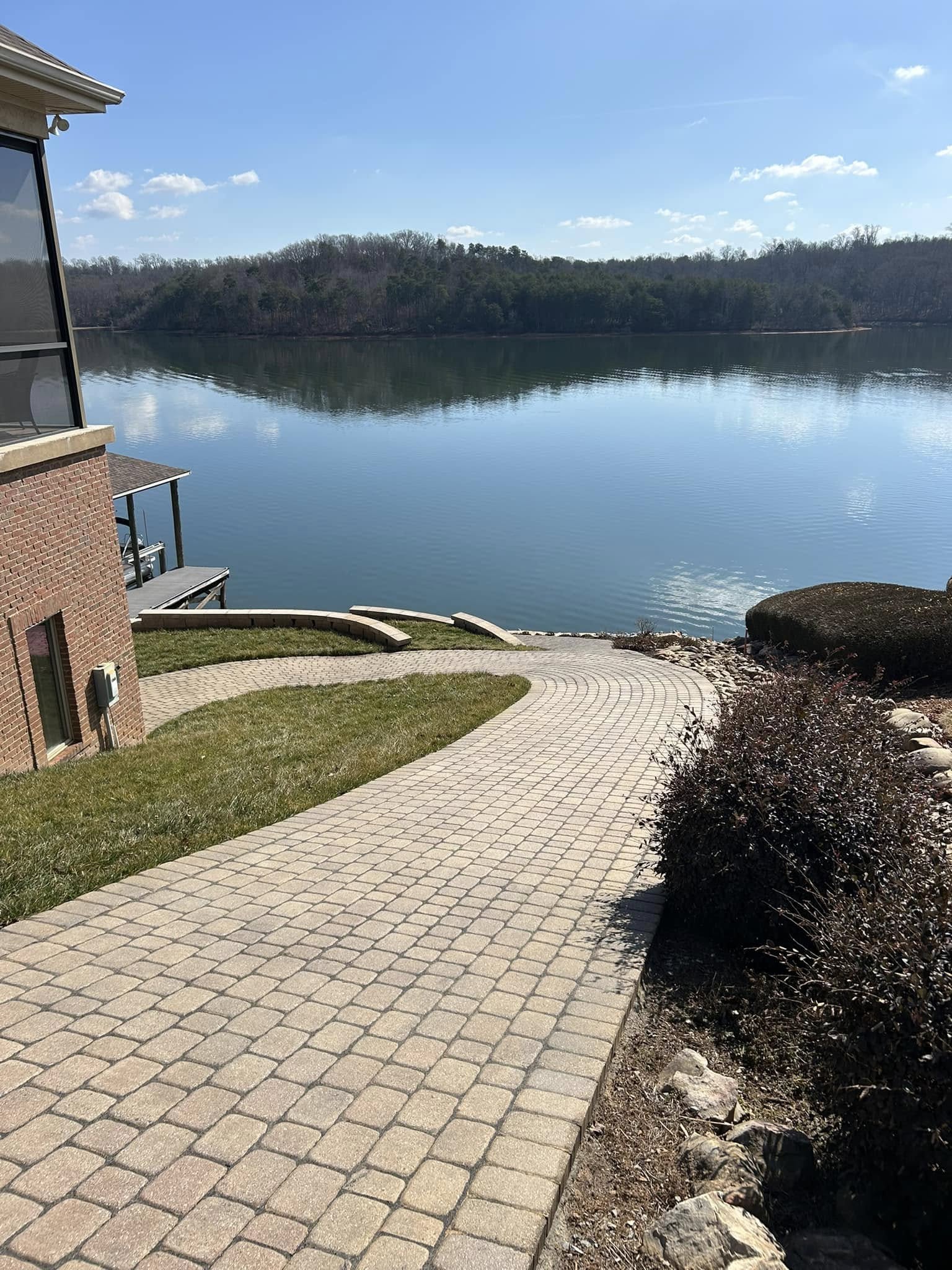
Beyond plant choices, incorporating color into your hardscaping is equally important. Pavers, stones, and wood can all be selected in hues that complement or contrast with your plant life, forming a cohesive look. For instance, a terracotta path winding through a bed of lush greenery can add warmth and a Mediterranean charm to your landscape. Meanwhile, incorporating color through garden furniture or decorative pots allows for flexibility. These elements can easily be changed to refresh the look of your outdoor space with each season.
When considering color in landscape design, it's also essential to take into account the changing seasons. Different plants bloom at different times, offering varying colors throughout the year. At MountainScapes, we encourage our clients to plan a garden that offers visual interest in every season. Spring might bring a burst of yellows and pinks with tulips and peonies, while winter can be warmed up with evergreens and the stark red of dogwood branches.
Lighting also plays a key role in how colors are perceived in your garden. Natural light changes throughout the day and affects how colors appear. Consider installing landscape lighting to highlight certain features after sunset. Accent lights can be used to illuminate colorful plants or highlight a particular sculpture, extending your enjoyment of the space well into the evening.
In conclusion, revamping your outdoor space with the power of color doesn't need to be a daunting task. By understanding how to use the color wheel, strategically placing plants and hardscaping materials, and considering seasonal changes and lighting, you can create a landscape that is both visually stimulating and cohesive. At MountainScapes, we are dedicated to helping you harness the transformative power of color in landscape design, ensuring your outdoor space is as vibrant and inviting as it is functional. Explore this journey with us, and let's make your garden a masterpiece of color and creativity.
/filters:no_upscale()/filters:format(webp)/media/a090ddc8-bba7-40a7-8e4b-9e71c79cfa37.jpeg)