The Art of Garden Geometry: Designing Spaces with Symmetry and Flow Jul 14, 2026
Begin by considering the layout of your garden. Symmetry involves creating a sense of balance, where one side mirrors the other. This can be achieved by planting identical bushes along both sides of a walkway or arranging patio furniture in a balanced, orderly fashion. Such symmetry invites a sense of calm and control, an aesthetic principle deeply rooted in classical landscape design. For instance, a circular seating area can become the focal point of a garden, radiating symmetry with equidistant pathways extending outward.
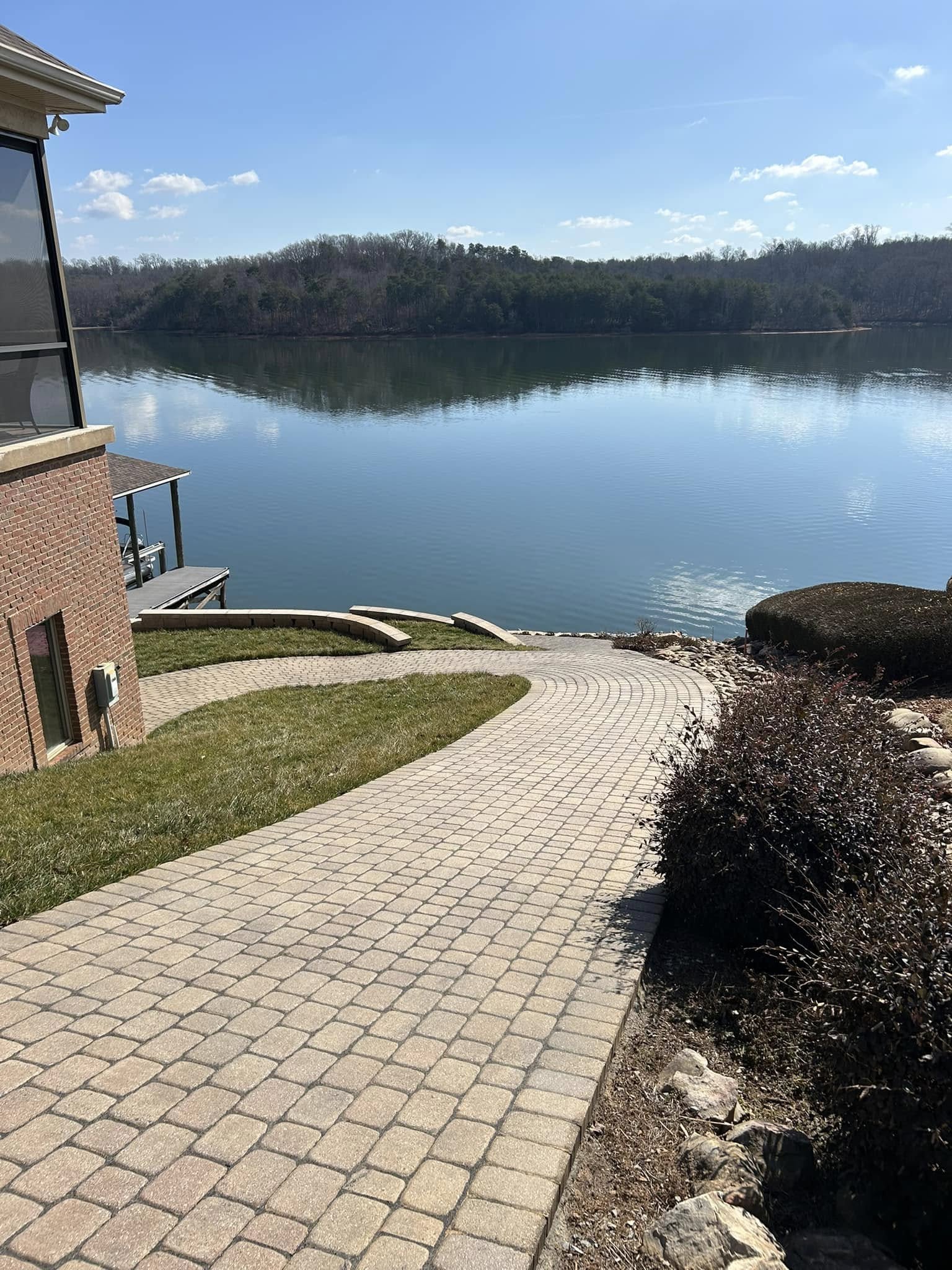
Flow is equally essential in garden geometry. Unlike symmetry, which is structured, flow introduces movement and continuity. This is where pathways come into play, guiding visitors through your landscape seamlessly. Curved paths avoid abrupt turns and provide a softer transition from one area to another. Consider gravel or stone paths that wind through flowerbeds, inviting exploration and allowing individuals to experience various garden views. This meandering style in your landscape can create pockets of surprise, revealing specific plantings or art installations at each bend.
One practical way to achieve symmetry and flow is through the repetition of certain elements. Repeated shapes, such as circular flower beds or rectangular hedges, can tie together different garden zones, creating unity. This repetition instills a rhythm that is visually satisfying and easy to navigate. Moreover, using natural elements like water features can break up symmetrical patterns, introducing a dynamic contrast that enhances both tranquility and movement. A strategically placed fountain or pond not only draws the eye but also integrates the gentle sound of flowing water, which complements the visual flow.
The choice of plants also plays a crucial role in your geometric garden. Select plants with contrasting textures, such as broad-leafed hostas alongside slender ornamental grasses. This contrast enhances visual interest while maintaining a cohesive look. When planting, consider color schemes that complement the geometric design, using bold, vivid flowers to draw attention to specific areas, while using greenery to provide a consistent backdrop.
Incorporating lighting is another effective way to emphasize garden geometry. Use strategically placed lights to highlight pathways and architectural features. Soft, ambient lighting can accentuate the symmetry and flow of your garden at night, transforming it into a captivating escape.
Concluding your garden project with maintenance in mind ensures long-lasting beauty. Regular trimming and upkeep retain clean lines and symmetry, while ensuring pathways remain accessible and inviting. At MountainScapes, we provide expert advice and services to help you uphold the integrity of your design.
Designing a garden with geometry in mind allows for a structured yet fluid connection with your outdoor space. Symmetry instills peace, while flow introduces a sense of journey and discovery. By applying these principles thoughtfully, you create a landscape that is not just an extension of your home, but a personal sanctuary. Embrace the art of garden geometry, and let MountainScapes guide you in crafting a space that reflects your style and stirs the soul.
/filters:no_upscale()/filters:format(webp)/media/a090ddc8-bba7-40a7-8e4b-9e71c79cfa37.jpeg)