The Perfect Blend: Combining Softscaping and Hardscaping for a Harmonious Outdoor Space May 27, 2026
The essence of a well-designed outdoor space lies in the fusion of soft elements, like plants and flowers, with hard features such as patios and walkways. Softscaping involves all the living parts of a landscape, including trees, shrubs, and grass. These elements infuse life and color into an environment, providing a lush, natural feel. On the other hand, hardscaping brings structure and order, using non-living materials like stone, brick, and concrete to add form and functionality.
To achieve a balanced outdoor design, it's crucial to start with a cohesive plan. Begin by assessing your outdoor space and envision how the area will be used. Consider whether you want a place for relaxation, entertaining, or both. A design that combines the soothing elements of softscaping with the durable practicality of hardscaping will serve multiple purposes beautifully, transforming your garden into a versatile retreat.
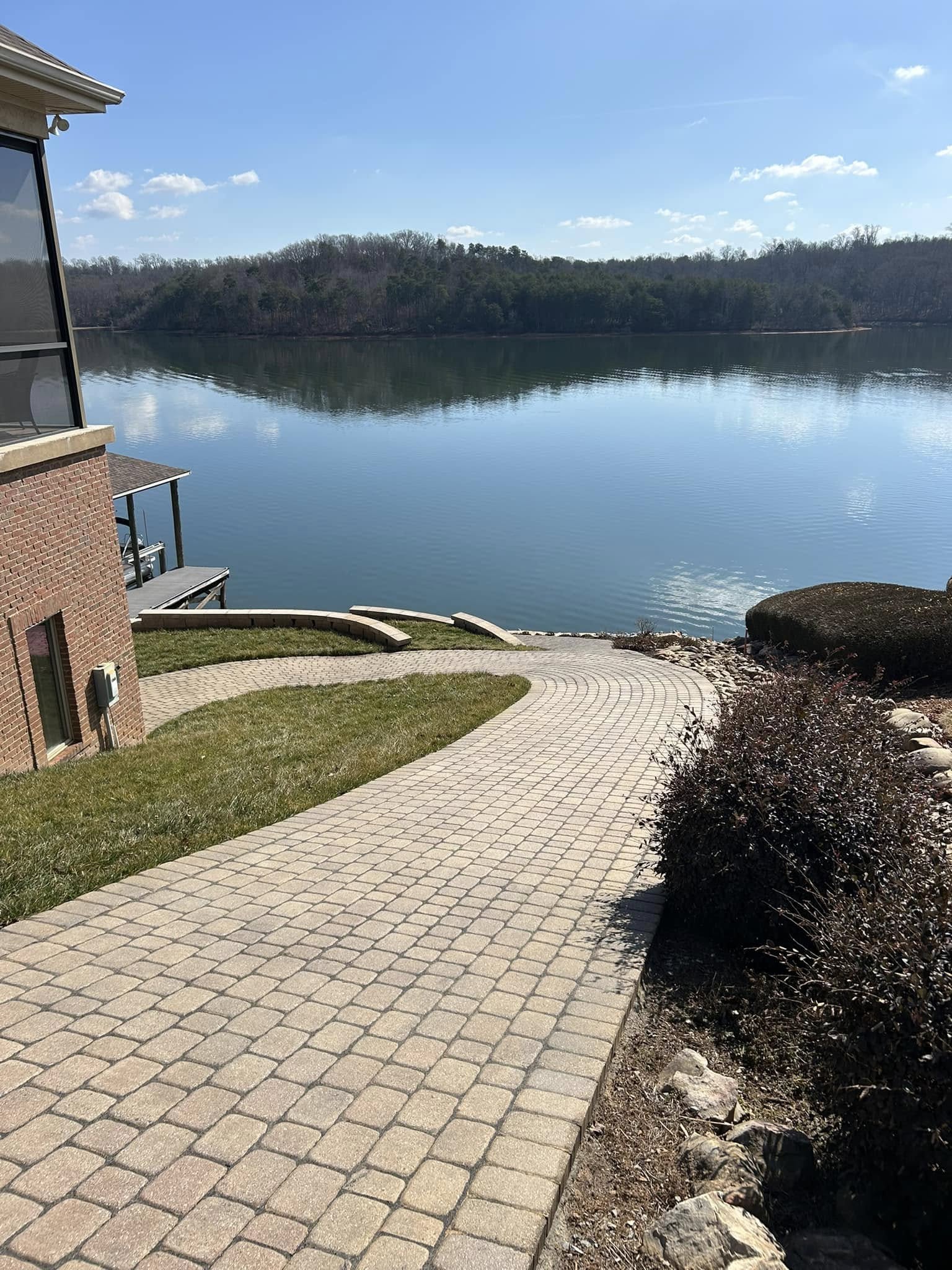
One popular way to blend softscaping and hardscaping is by incorporating stone pathways that meander through colorful flower beds. A pathway not only adds charm and accessibility but also guides the eye naturally through the landscape, inviting exploration. Selecting native plants for the softscape can ensure that your garden thrives with minimal maintenance, contributing to an eco-friendly environment.
Another effective method is to create distinct outdoor rooms using a combination of pergolas or arbors surrounded by vibrant plants. These structures provide shade and a defined area for specific activities, such as dining or lounging. By surrounding these spaces with well-chosen plants, you create intimate pockets within the larger landscape that encourage your family and guests to linger and enjoy the natural beauty.
Water features, such as small fountains or ponds, also offer a seamless integration of soft and hard elements. Stonework surrounding a water feature can complement the gentle movement of water, creating a tranquil, sensory-rich environment. The sound of flowing water adds a calming effect, perfect for unwinding after a long day.
While aesthetics are important, functionality should never be overlooked. Hardscape elements like retaining walls and patios require careful planning. Retaining walls can be used to address slopes or elevation changes, while patios offer spaces to relax or entertain. Enhancing these structures with lush plantings around their edges can soften the overall appearance, making them a natural part of the landscape.
In conclusion, achieving harmony in an outdoor space through the combination of softscaping and hardscaping is not just about aesthetics, but also about creating a functional and sustainable environment. By carefully selecting and integrating plants with architectural features, homeowners can enjoy a garden that is visually appealing and perfectly suited to their lifestyle needs. At MountainScapes, we specialize in bringing these elements together to craft landscapes that reflect the beauty and individuality of your home. Embrace the synergy of soft and hard elements to transform your yard into a sanctuary that offers satisfaction and enjoyment for years to come.
/filters:no_upscale()/filters:format(webp)/media/a090ddc8-bba7-40a7-8e4b-9e71c79cfa37.jpeg)